 1:08
1:08 Behavior
Why Your Chatbot's Agreement Isn't a Second Opinion
AI assistants tend to affirm the user's framing more readily than a thoughtful human would.
Category
Why people do what they do — the mechanism behind the habit, not the productivity slogan.
1:08 Behavior
AI assistants tend to affirm the user's framing more readily than a thoughtful human would.
 1:07
1:07 Behavior
Consistently presenting as low maintenance conditions the people around you to stop checking, offering, or accommodating — not out of neglect, but because you have reliably signaled that nothing is needed.
 1:12
1:12 Behavior
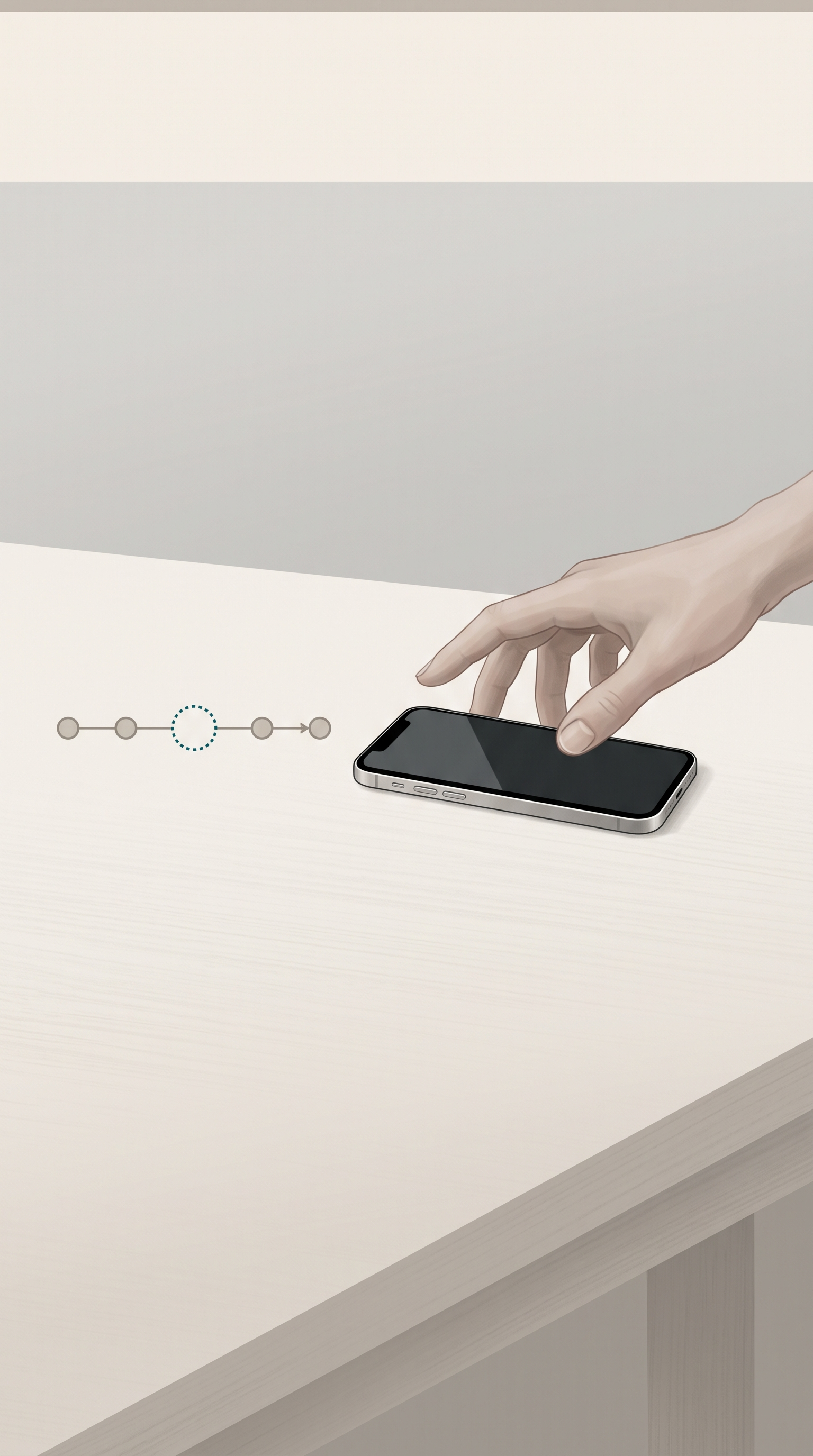
Phones are hard to put down because unpredictable rewards condition the act of checking itself; the compulsion lives in the variable-reward schedule, not in any particular piece of content.
 1:07
1:07 Behavior
Convenience is usually priced as a one-time decision but delivered as an ongoing obligation; the moment you stop owning the capability yourself, you begin renting it indefinitely.
 1:13
1:13 Behavior
Friendships are held together by ongoing inputs — shared proximity, unstructured time, reciprocal attention, and low-cost opportunities to be present.
 1:09
1:09 Behavior
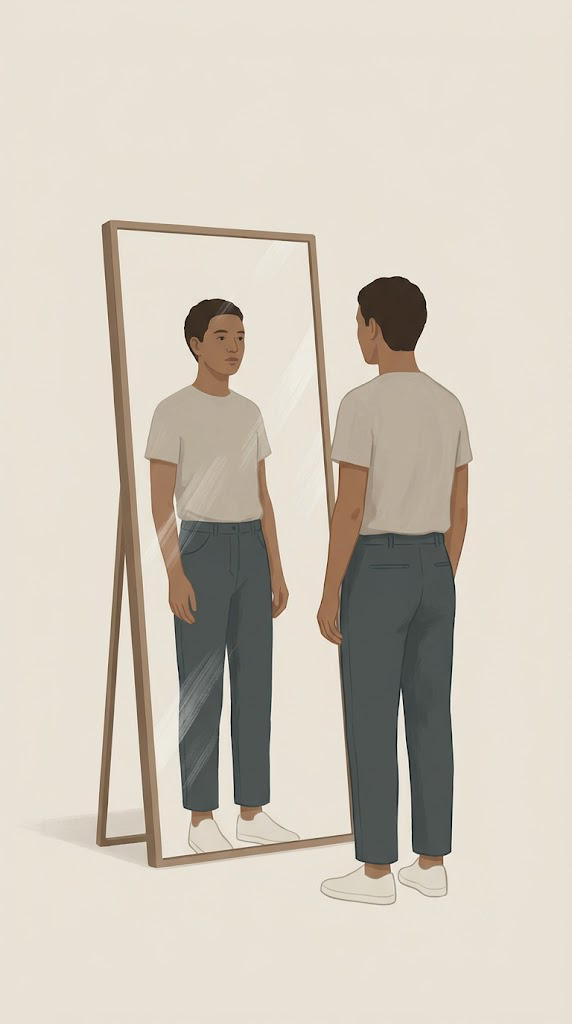
Recommendation systems don't just mirror existing preferences — through repeated exposure, they make certain content feel familiar, and familiarity itself becomes preference, creating a loop where the feed partly manufa…
 1:04
1:04 Behavior
Familiarity is not proof.
 1:10
1:10 Behavior
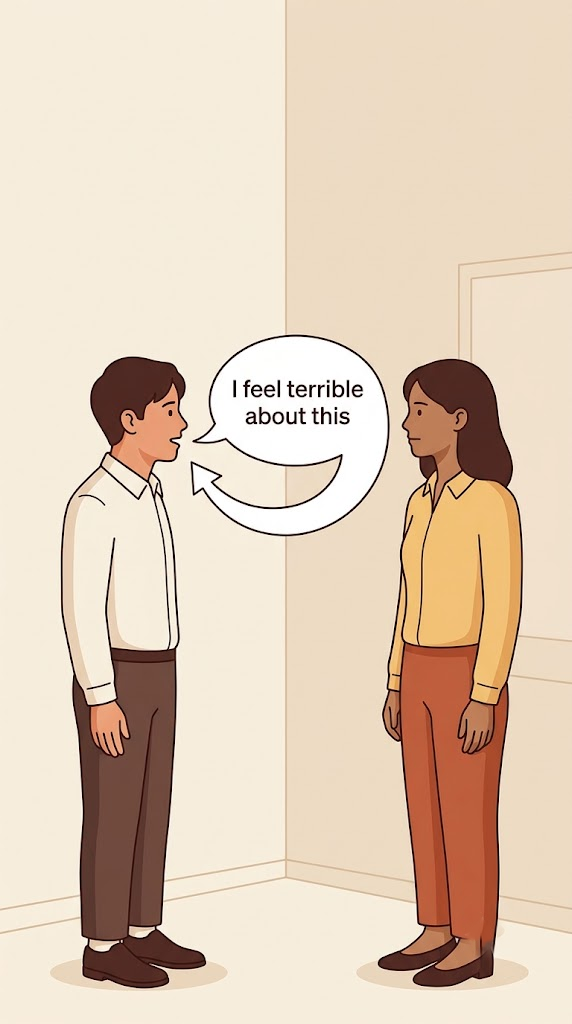
An effective apology begins by accurately naming the harm and its consequence for the other person instead of centering the apologizer's intentions, character, or discomfort.
 1:09
1:09 Behavior
Convenience and recurring revenue share the same design principle: removing friction.
 1:10
1:10 Behavior
Anger produces a felt sense of agency—movement, certainty, and moral momentum—that the mind can mistake for having acted, even when the underlying situation is untouched.
 1:08
1:08 Behavior
Motivation fades because it depends on feeling; identity sticks because each repeated action serves as evidence confirming who you believe you're becoming.